Faith on the River
Photos & Text by Robert Madrid
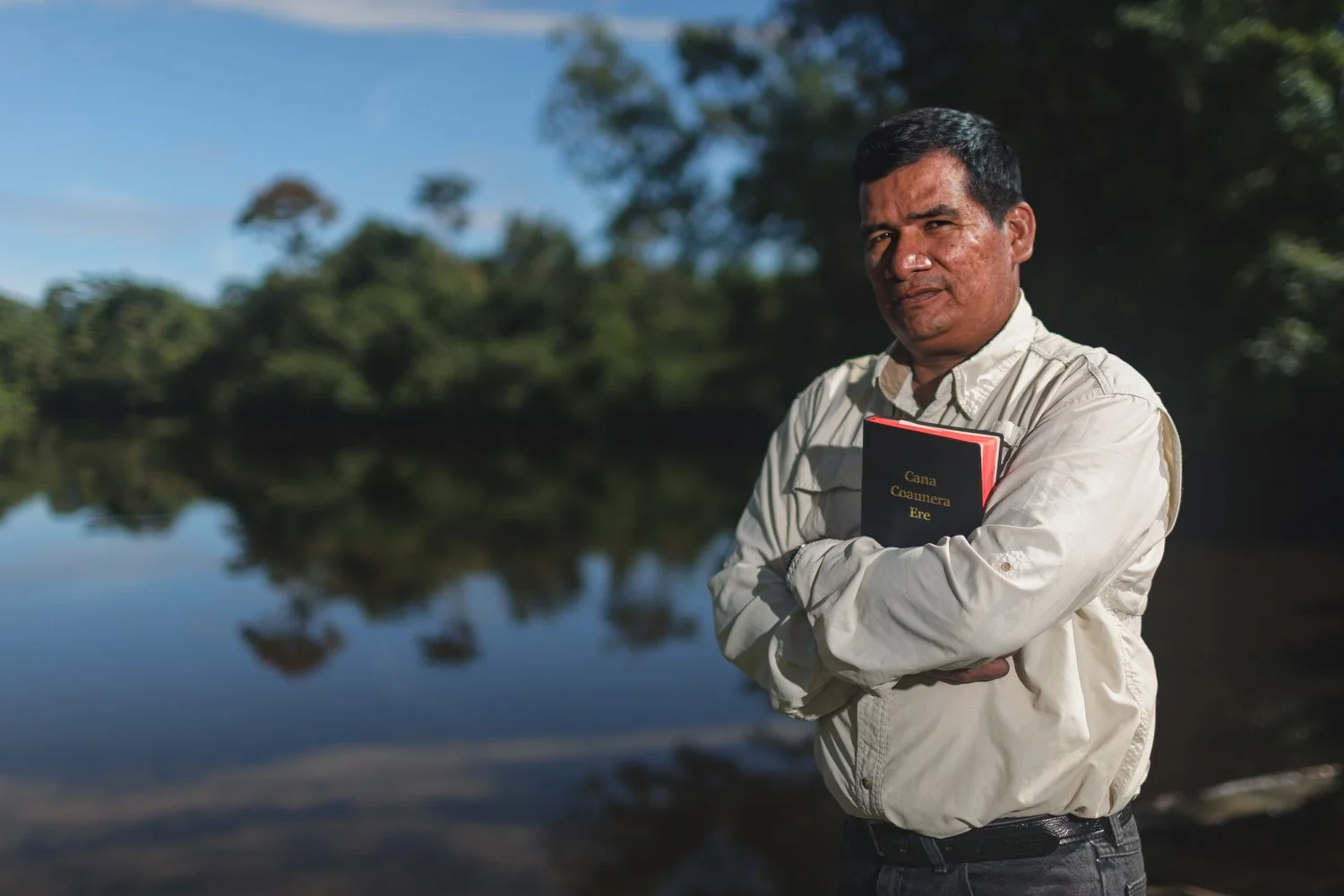
Before traveling to Iquitos, Peru, I often wondered what daily life was like in the Amazon. I hoped that meeting Pastor Jorge would help me understand how people lived in a place so different from mine. I honestly had no idea how families got food or supplies out there.
When I finally met Pastor Jorge in Iquitos, he spoke with calm confidence, as if he knew every turn in the river and everyone who lived nearby. He also had a dry sense of humor, which sometimes made it hard for me to tell if he was joking.
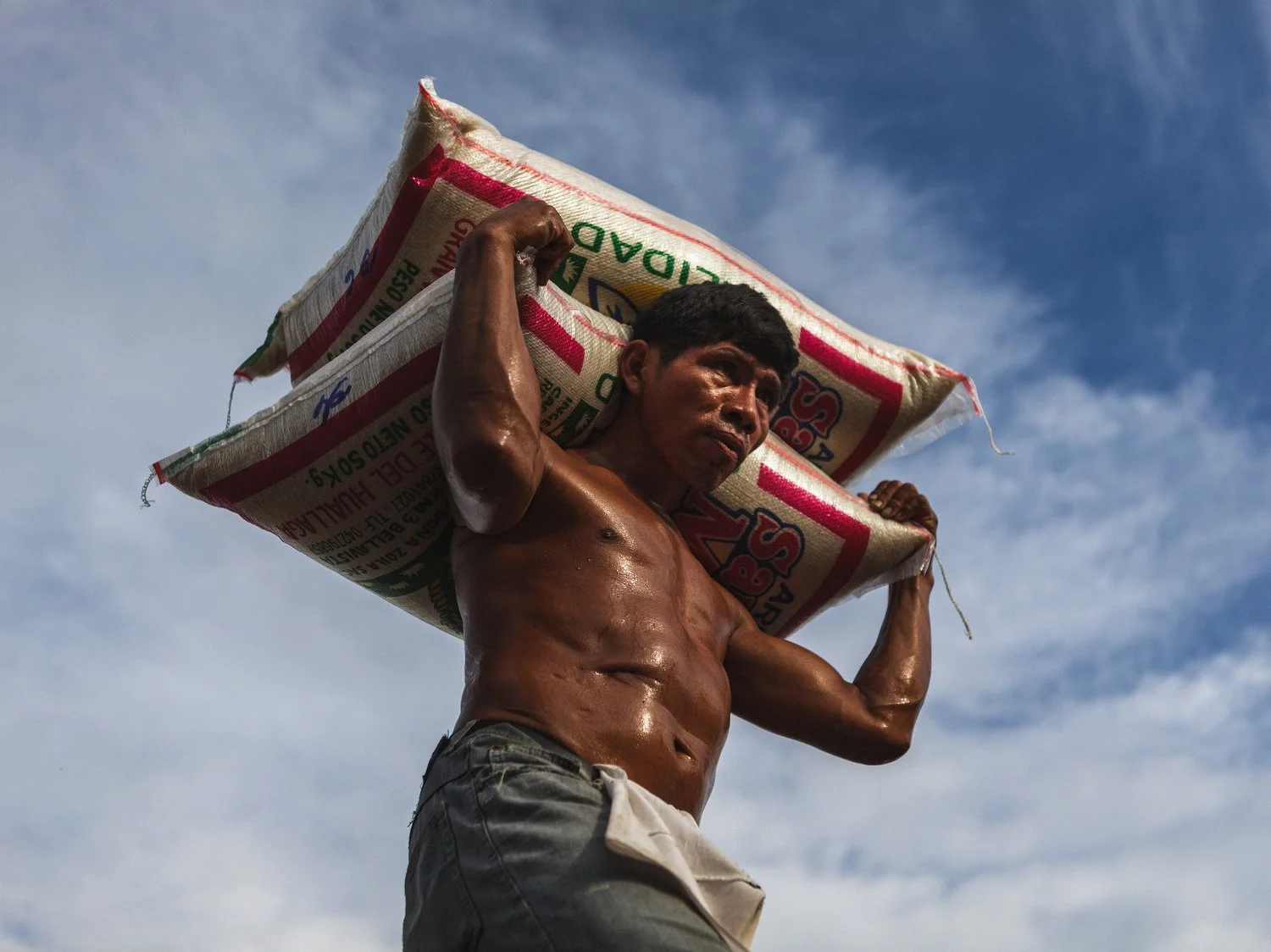
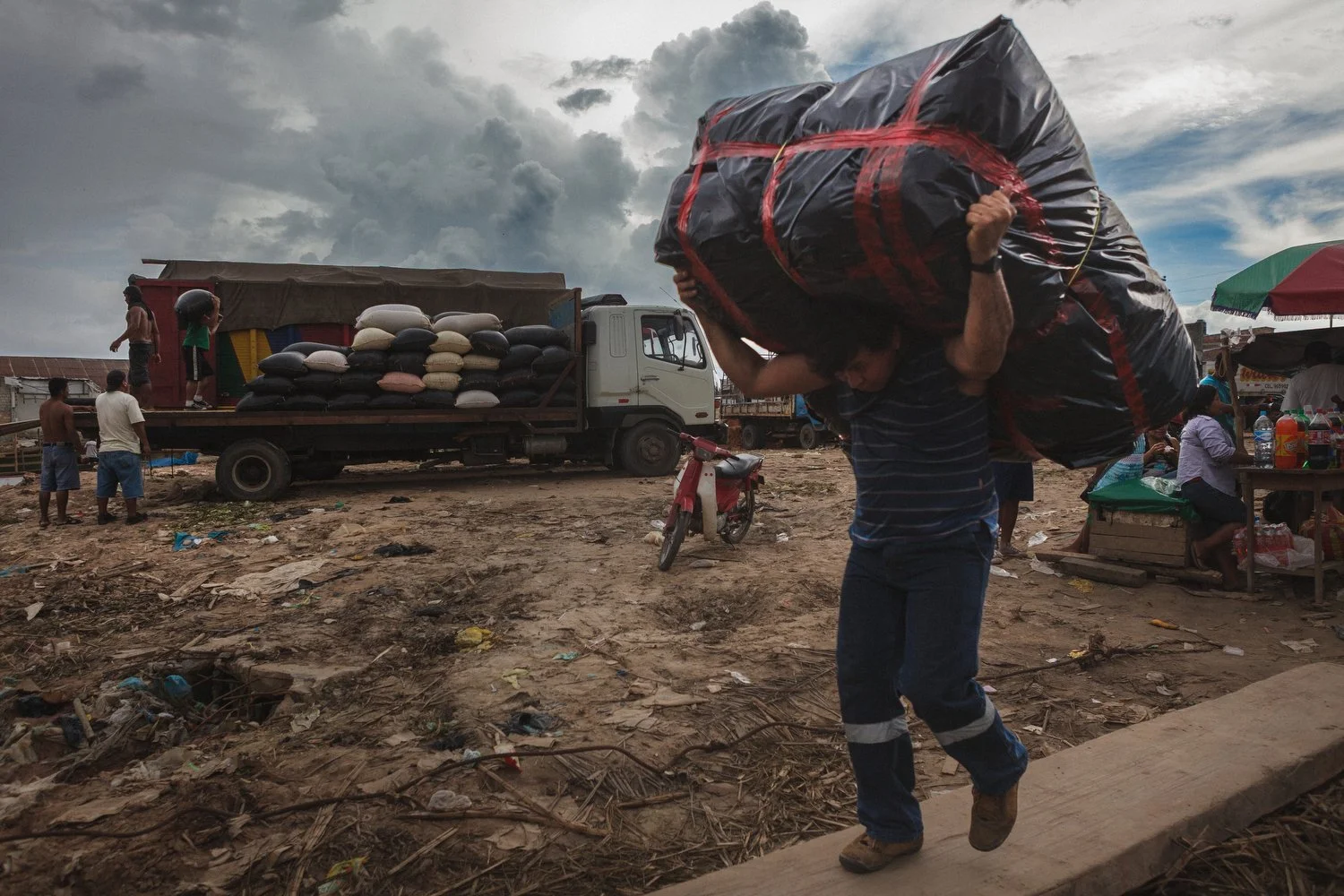
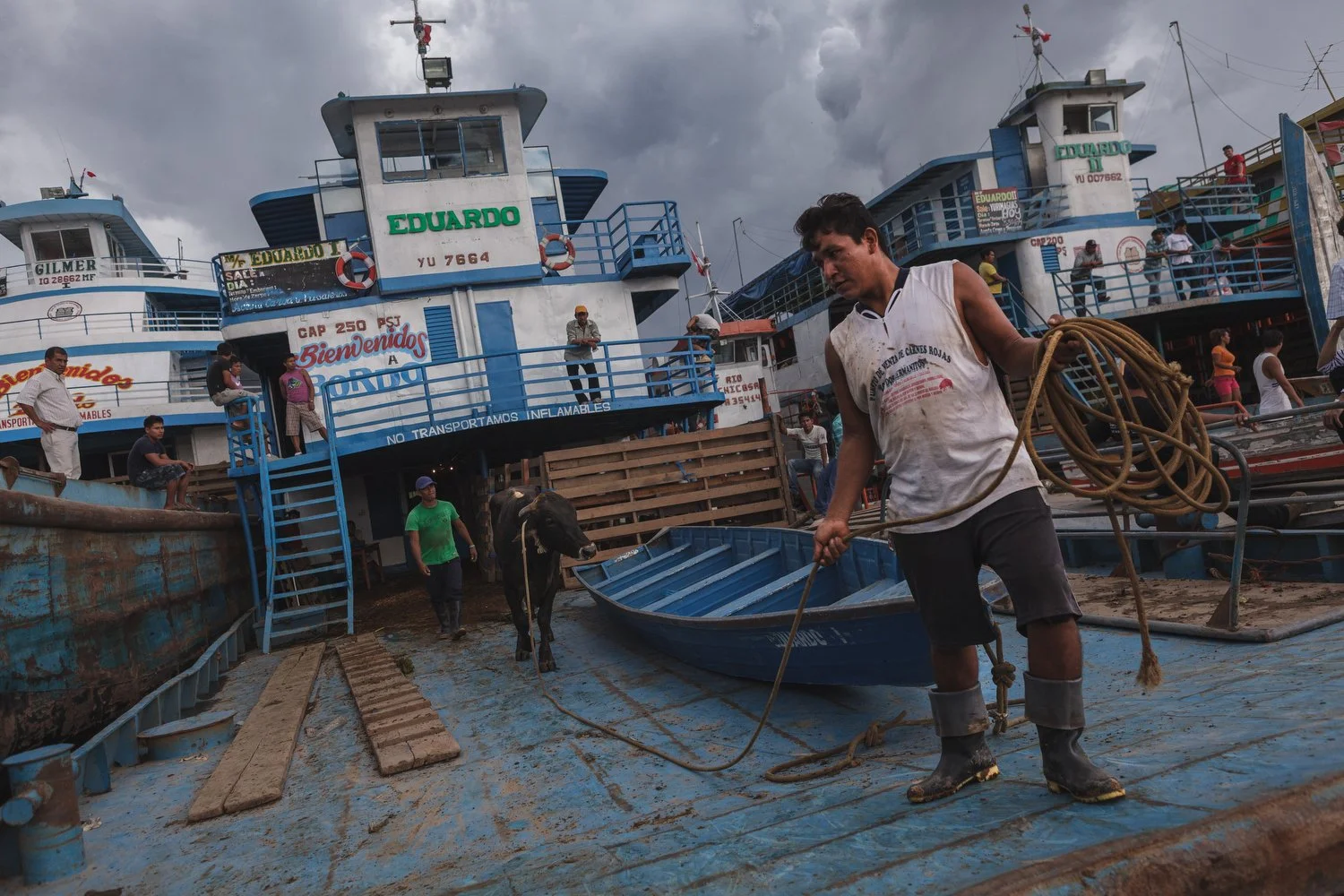
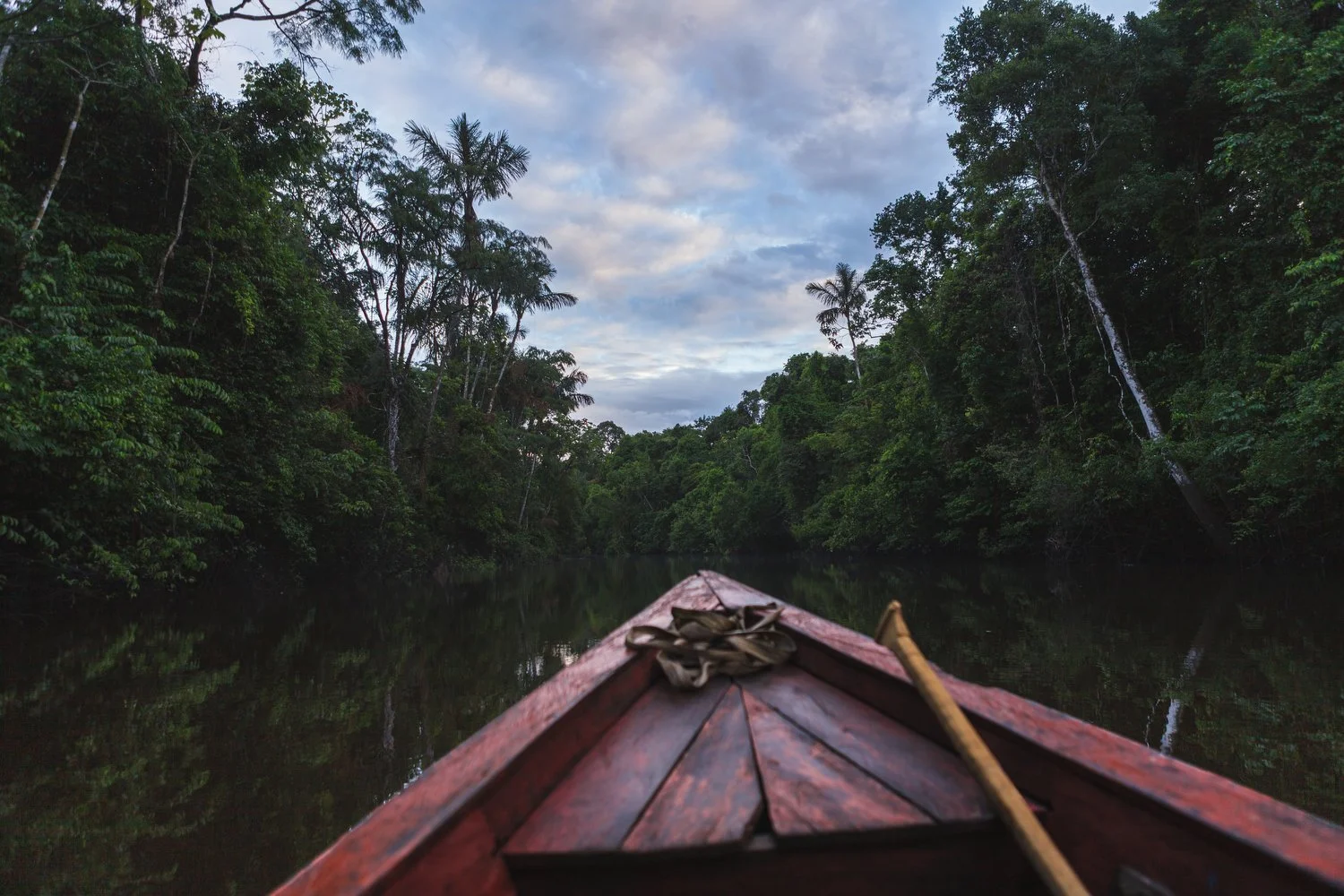
At the port, I watched animals, pallets of food and vegetables, and even a small car were loaded onto our boat. The trip took almost three days as we moved slowly against the current. As we went deeper into the jungle, villages appeared along the muddy red shores. Wooden houses stood on stilts, and smoke drifted up from cookfires. When we reached Maipuco, the locals welcomed us with a big celebration because they knew Nick, Kristen, and Pastor Jorge were coming. After the excitement, life returned to its usual steady rhythm.
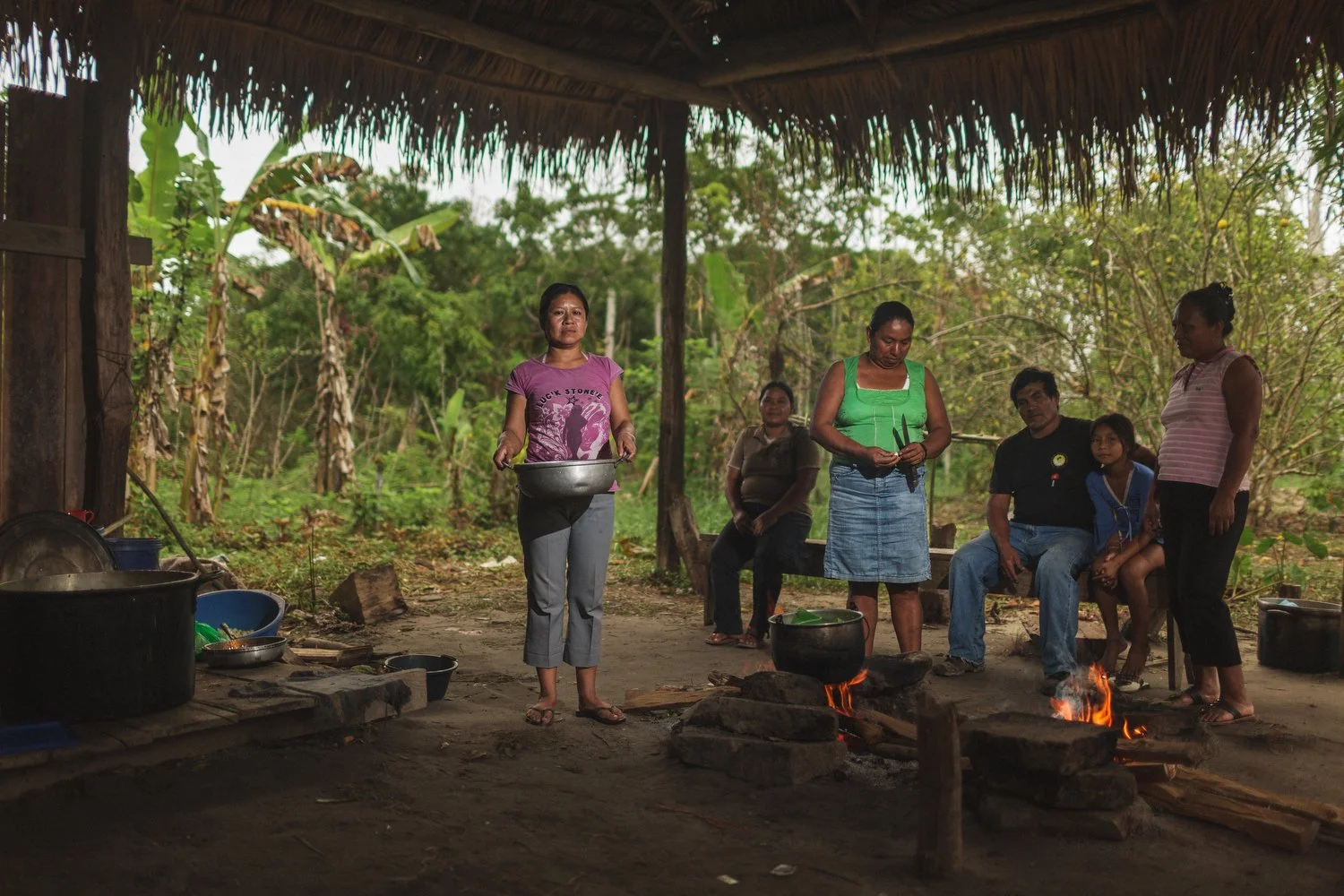
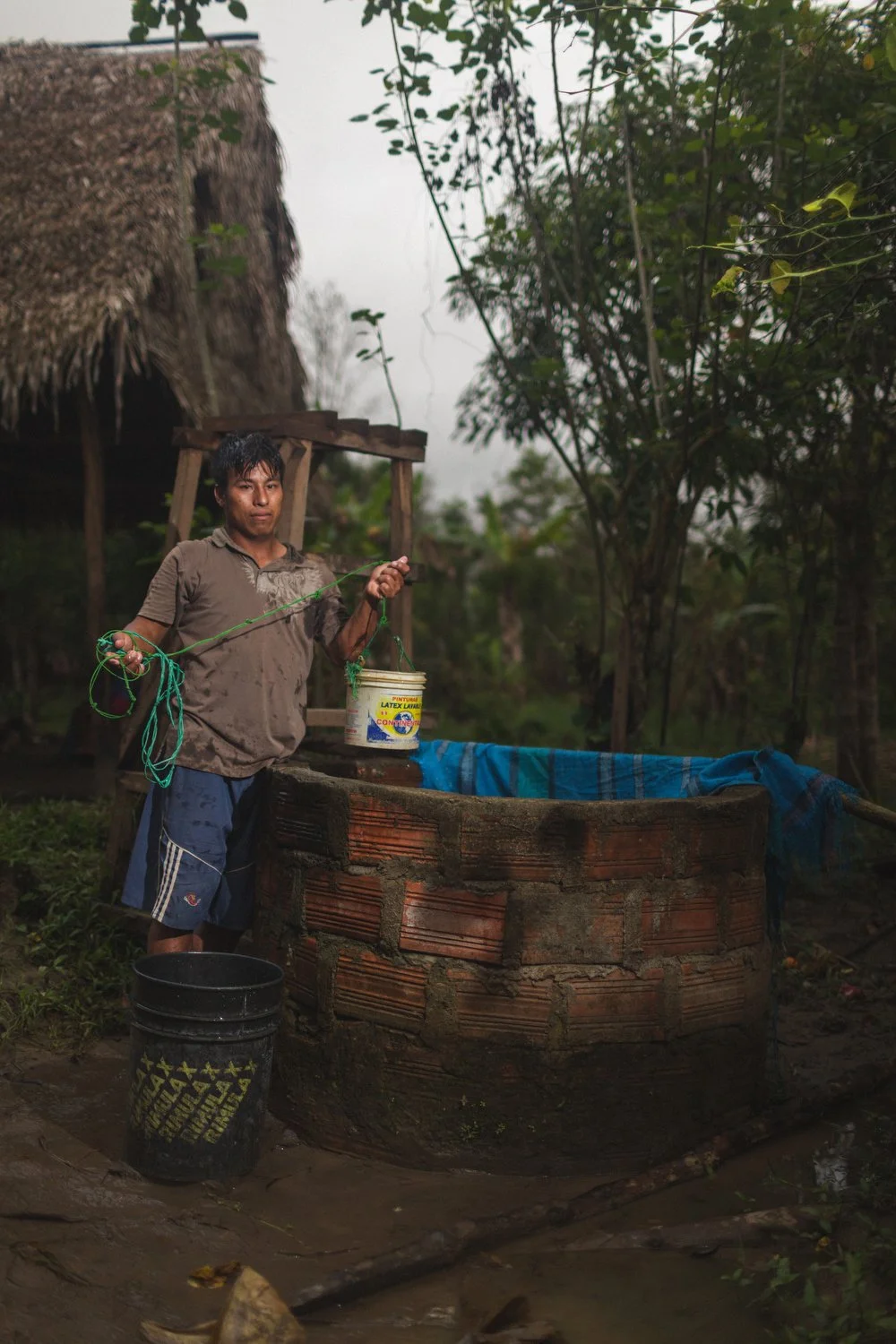
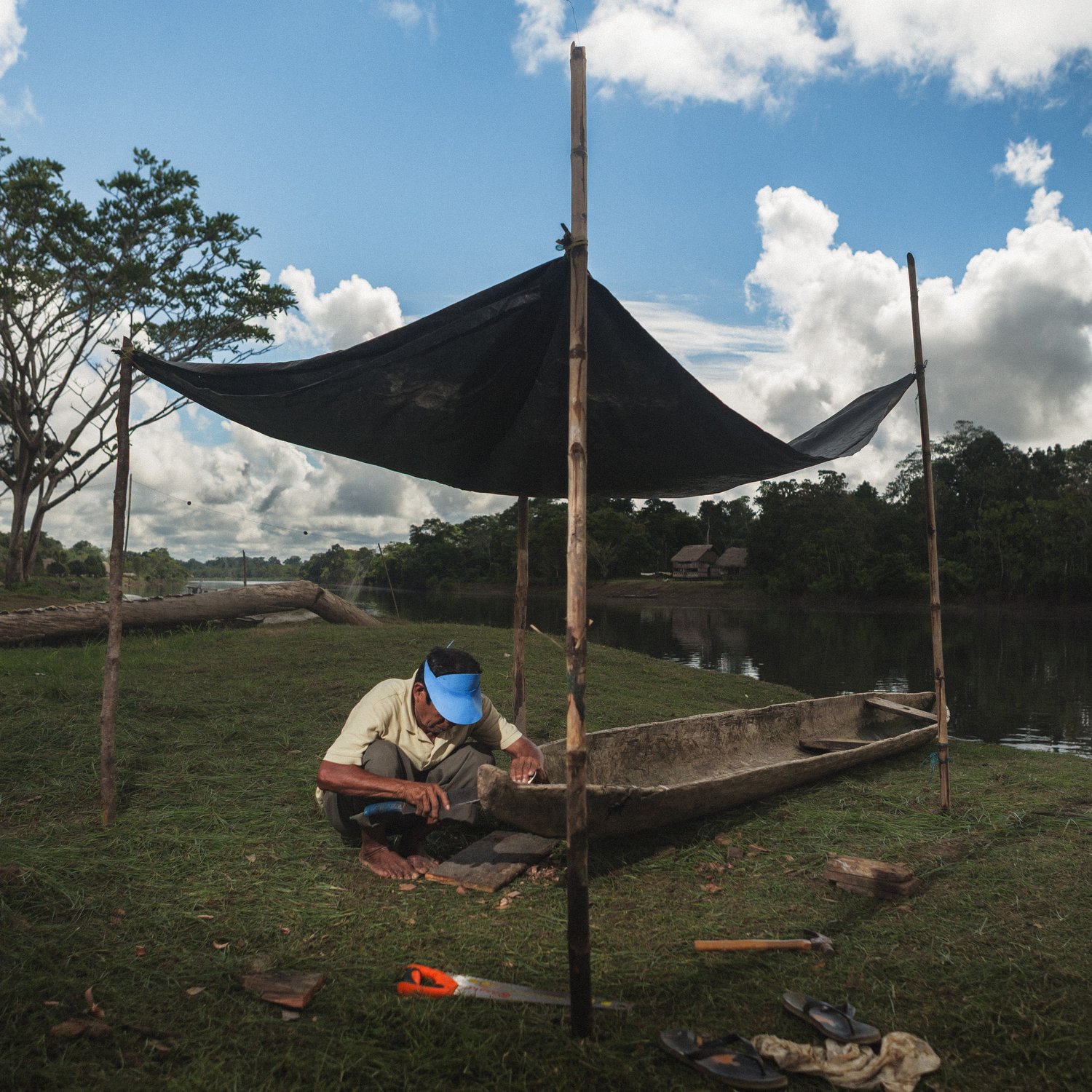
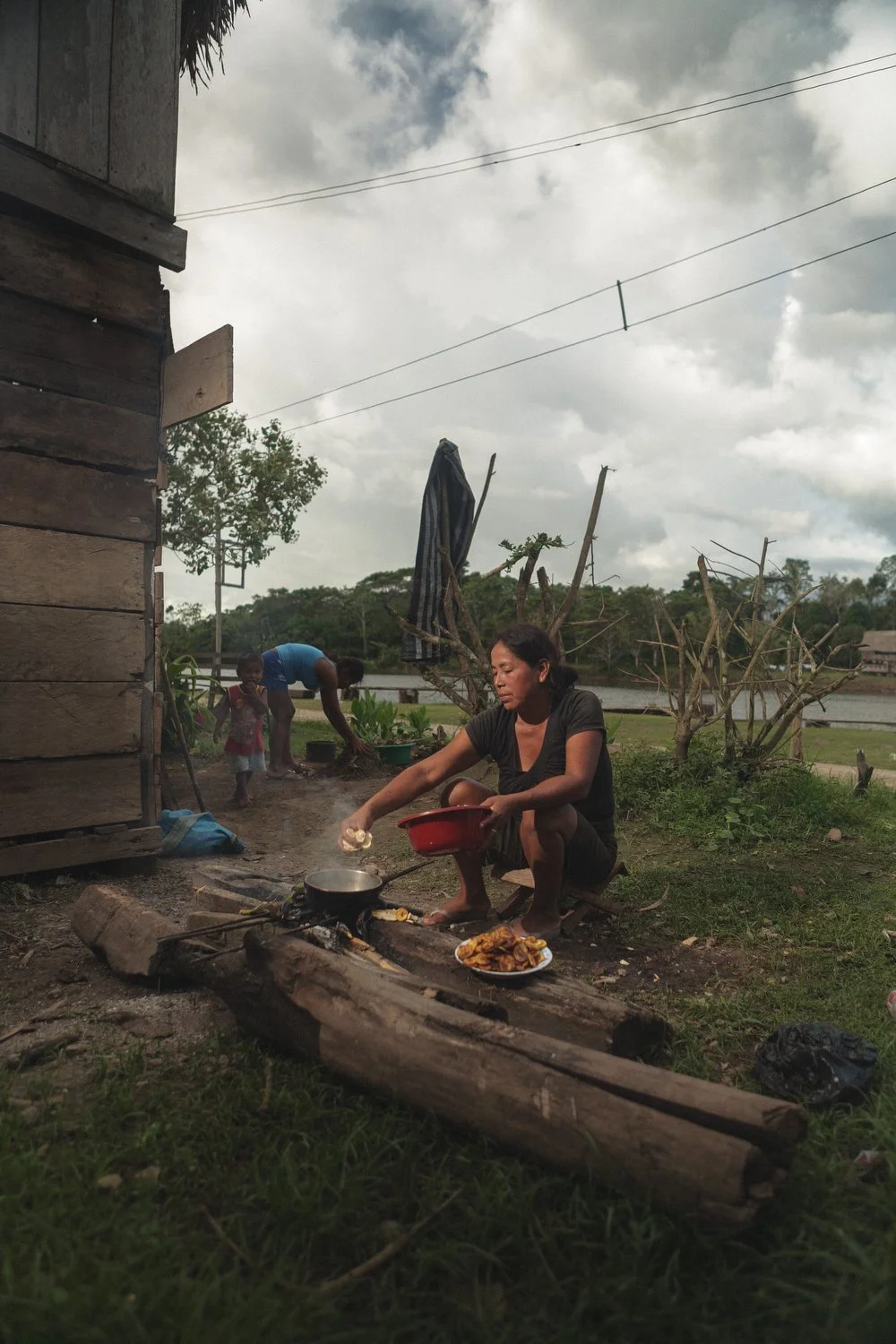
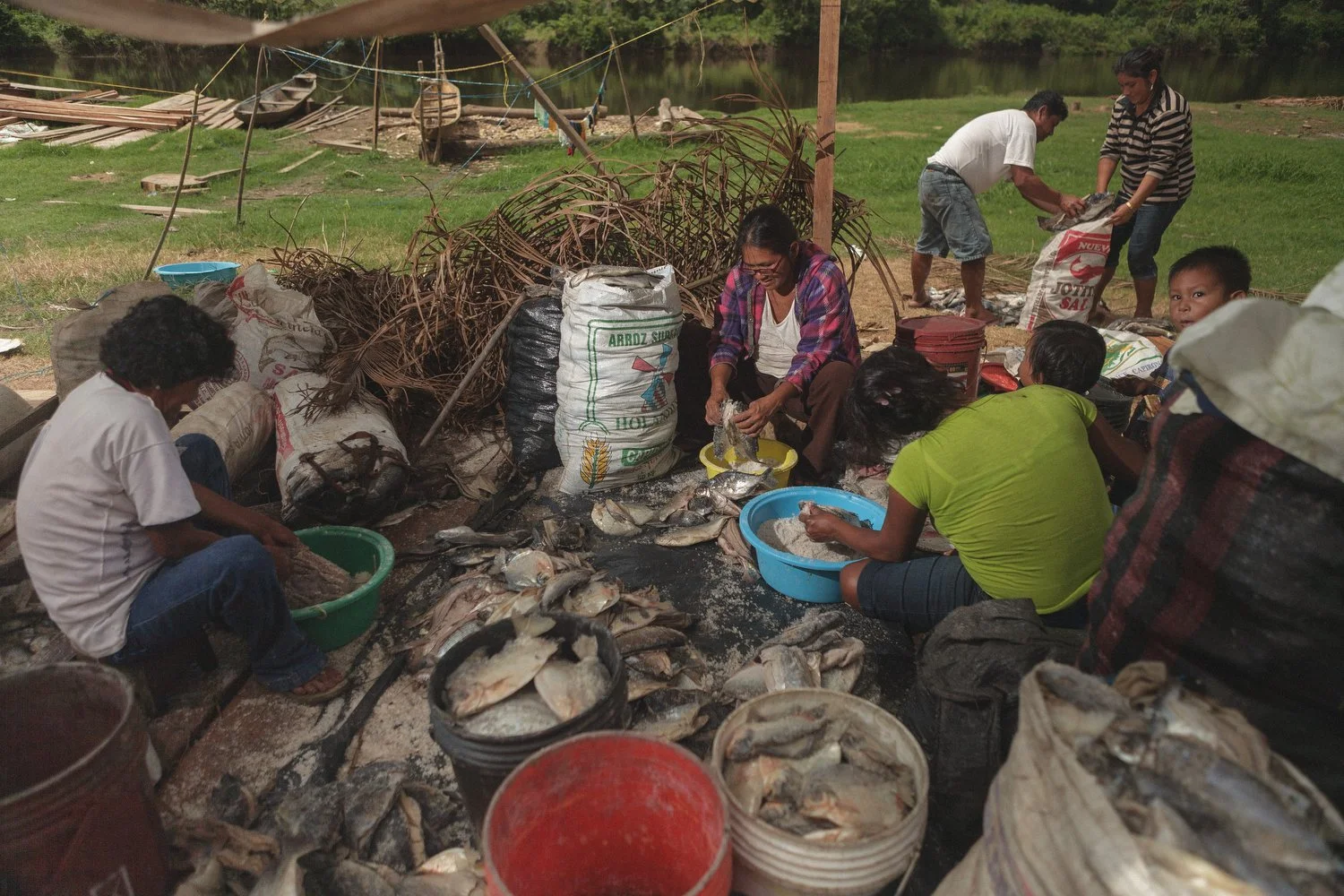
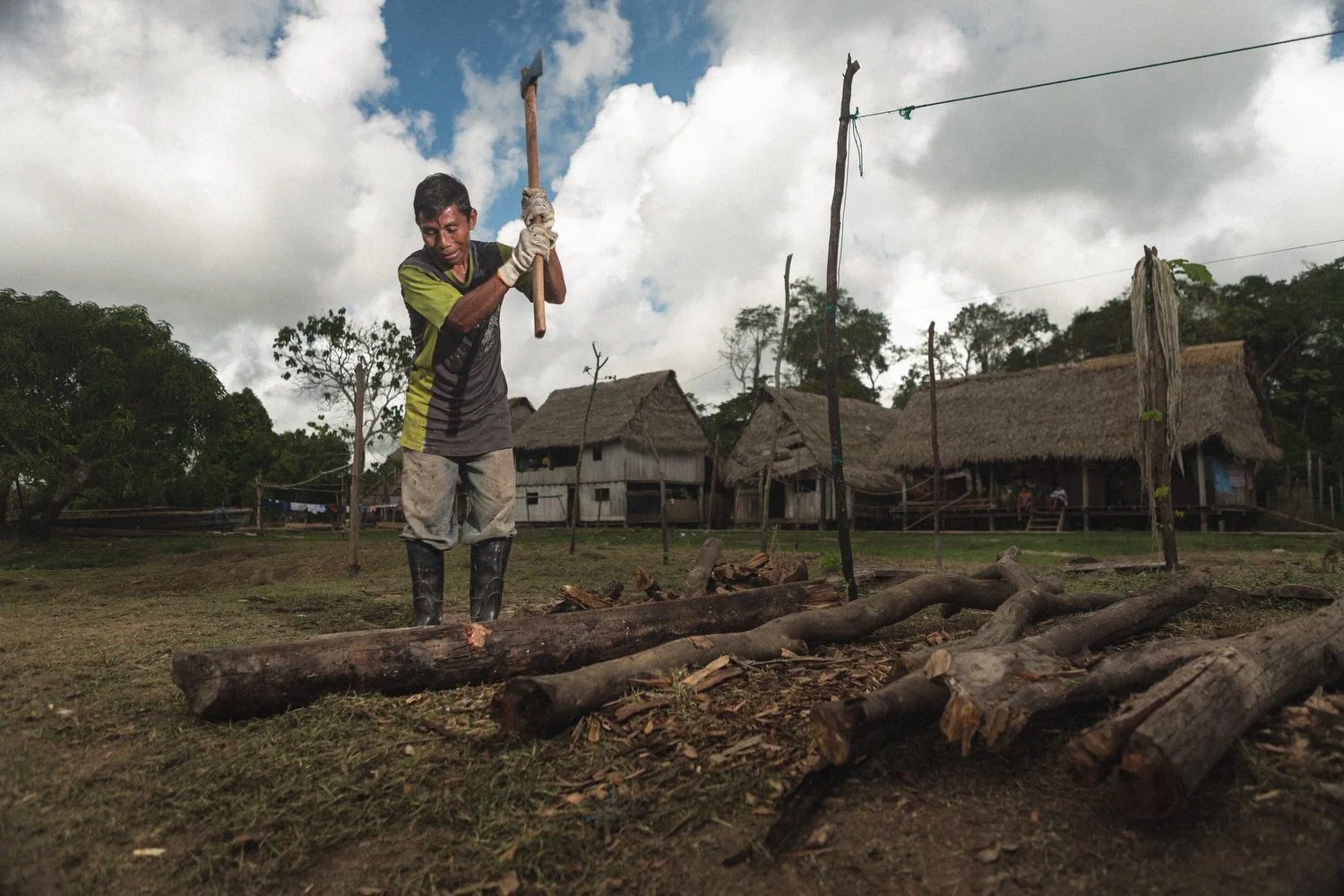
Women cooked plantains and fish over open fires, washed clothes, and swept their homes. Men split logs in the sun. Some chopped wood for new houses, shops, or boats, while others packed salted fish in baskets for the long trip back to Iquitos, where they would sell them. Instead of waiting for the cargo ship, people used canoes or large wooden rafts, shaped by hand over several days, to move goods and people along the river. Afterward, they would take a cargo ship back to Maipuco because the current was too strong to return by canoe.
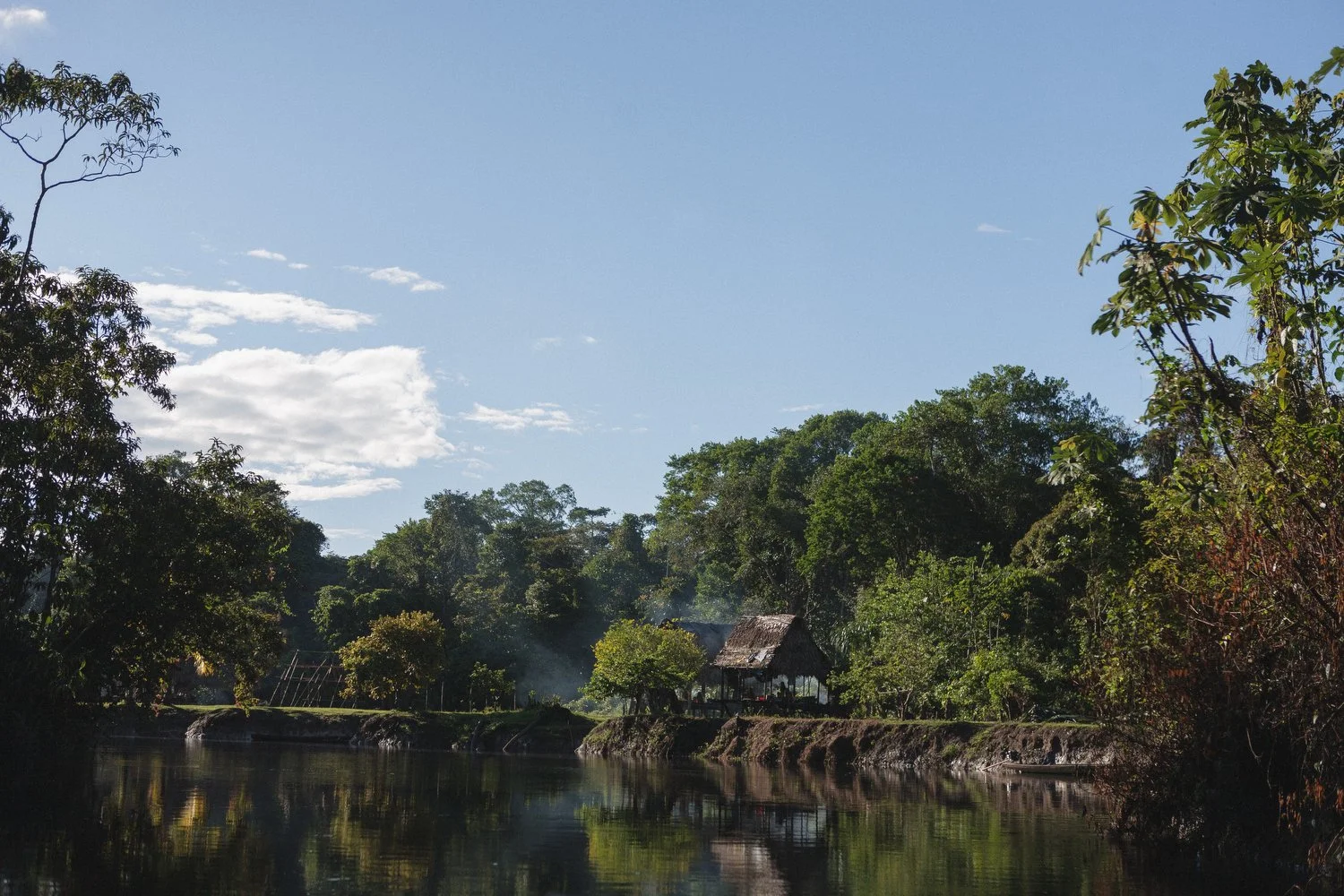
Every task, whether cooking, cleaning, building, or preserving, was connected and supported the next. The river set the rhythm for life, shaping what people ate, traded, and how each day started and ended. I saw how everyone had a role that helped the whole community. Just as the villagers’ lives were woven together, each person’s work made the group stronger. There was no room for laziness—people who didn’t contribute would be pushed out.
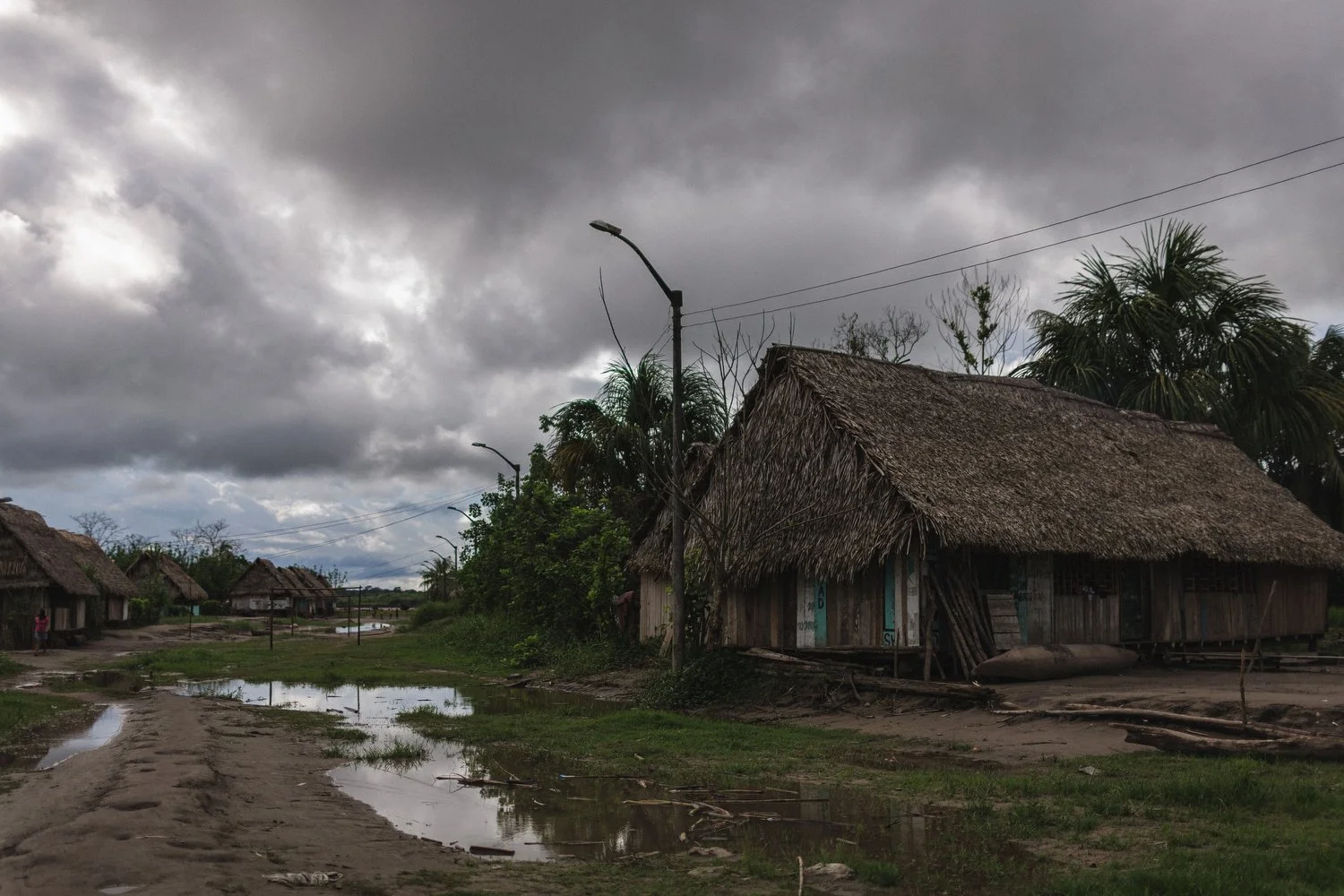
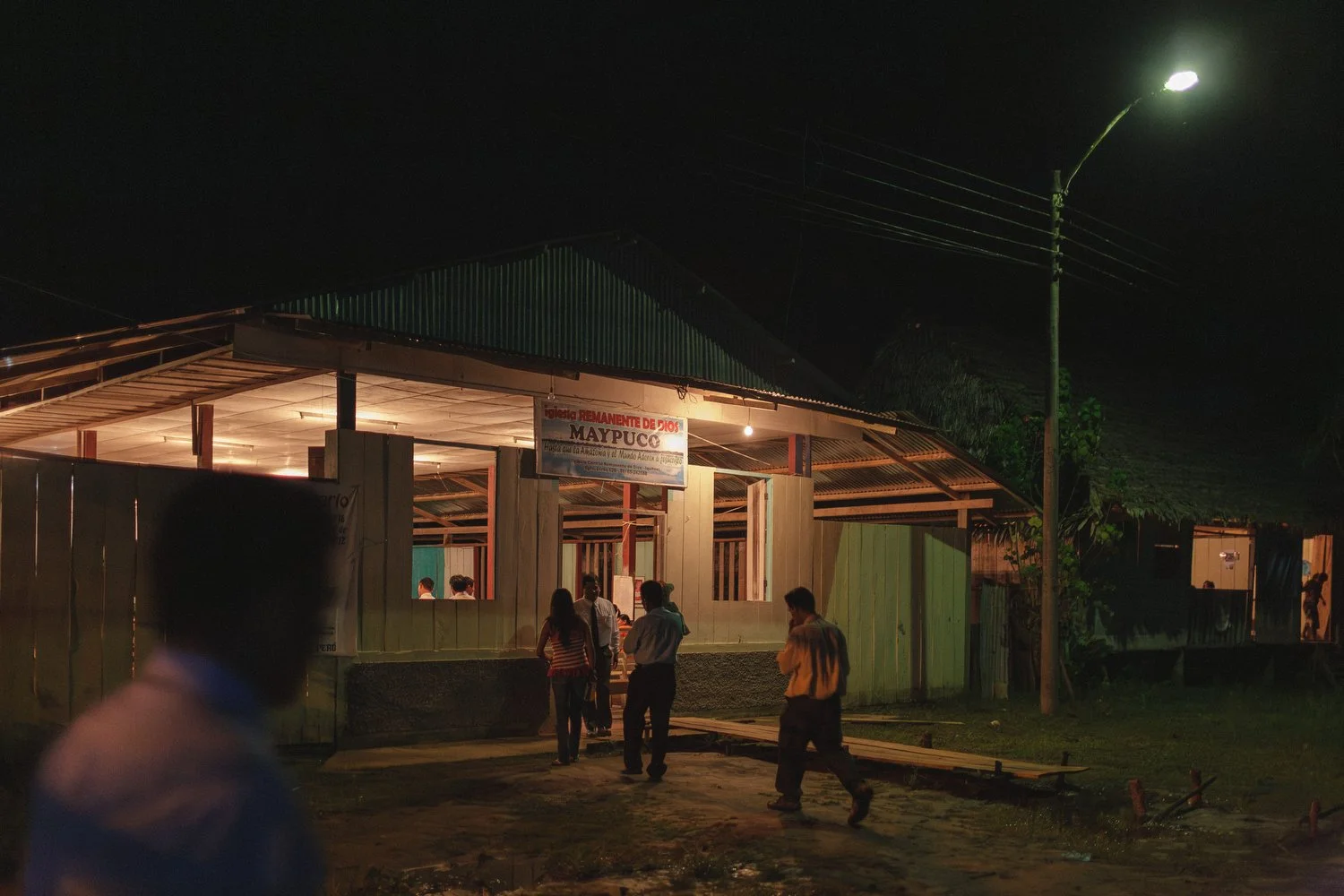
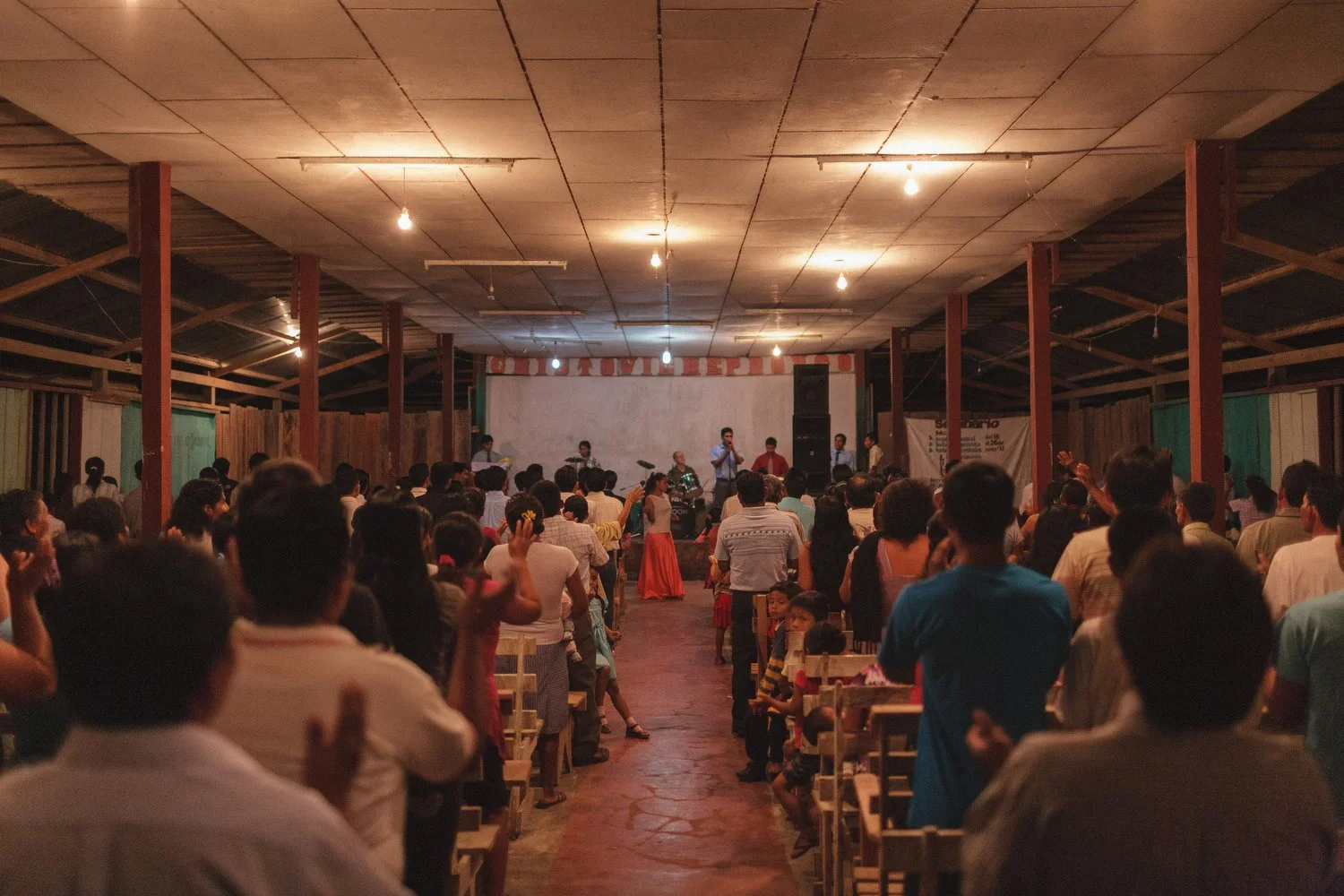
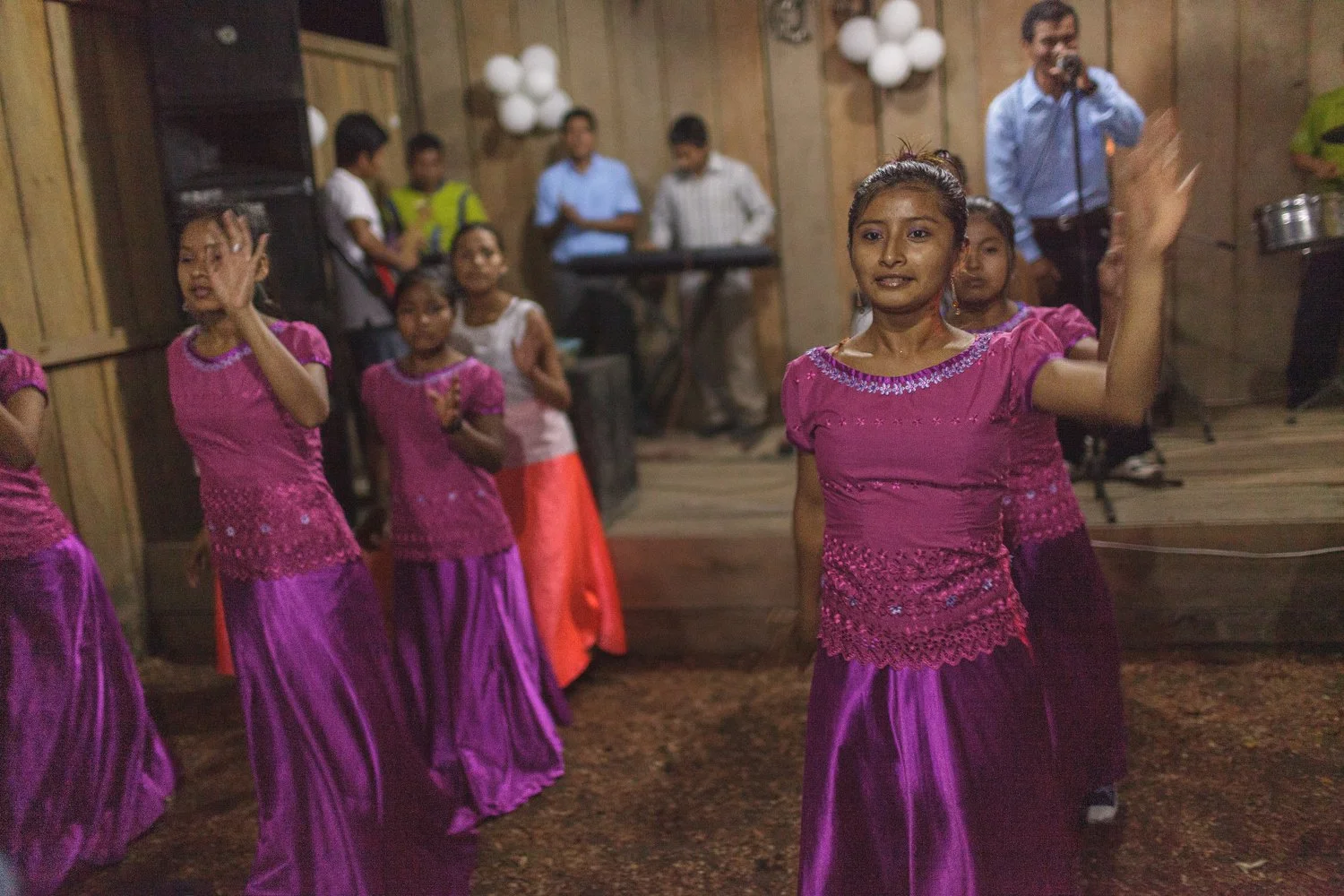
At night, the village felt different. A single light bulb lit the chapel, which soon filled with people until there was no space left. Children in bright dresses danced at the front, their voices rising above the small band. Everyone clapped out of rhythm, but it didn’t matter—they sang with all their hearts. Pastor Jorge led the service with a steady voice.
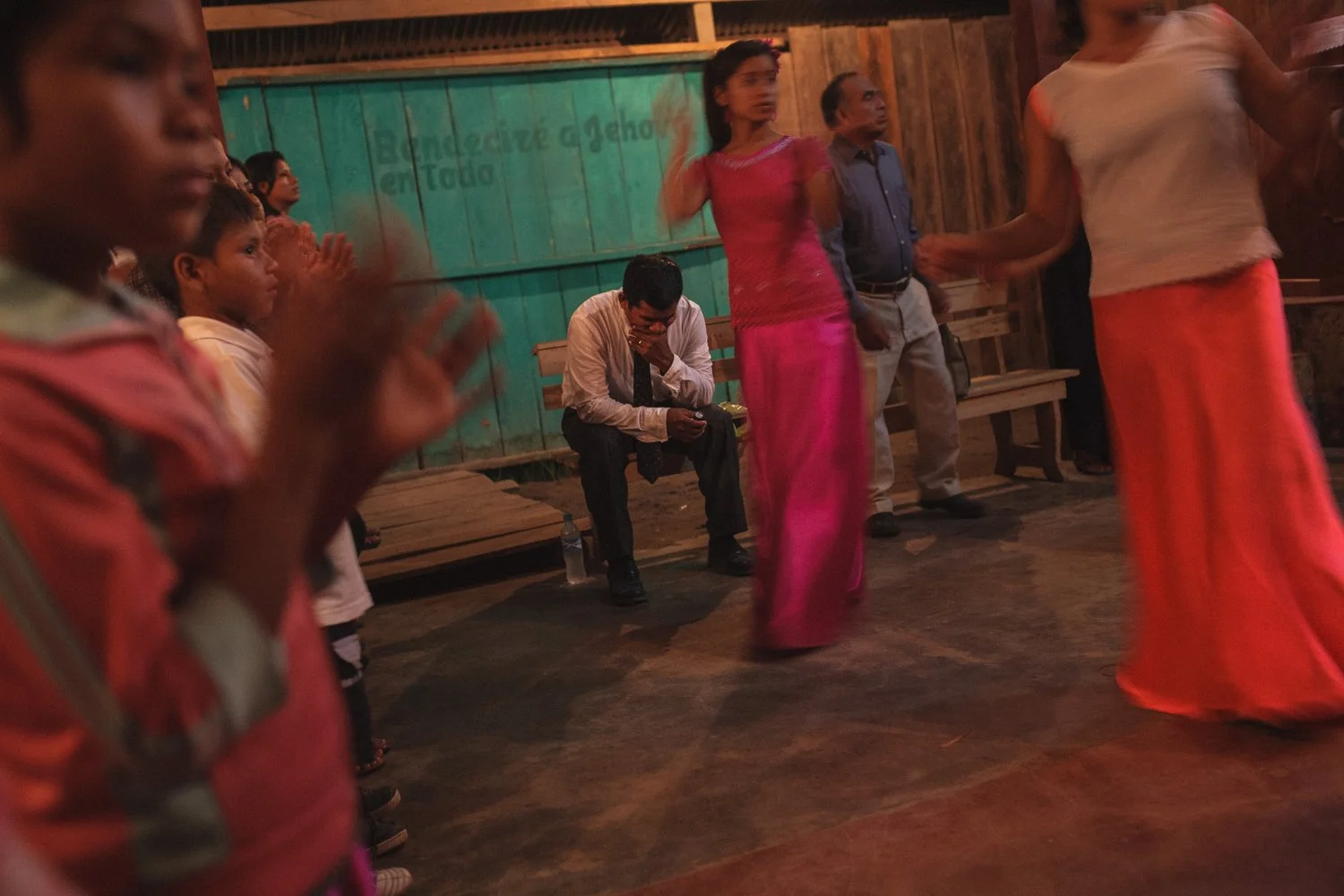
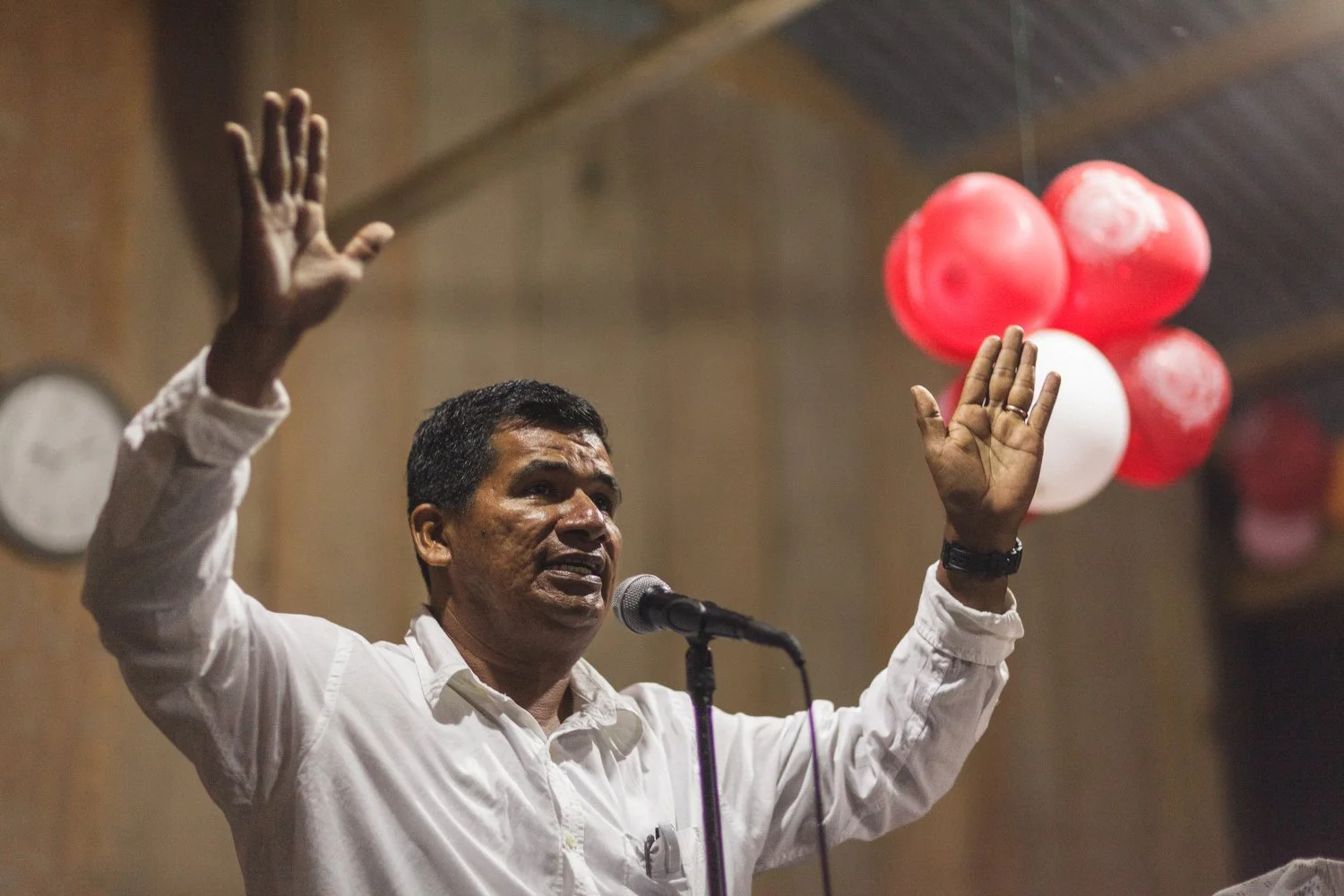
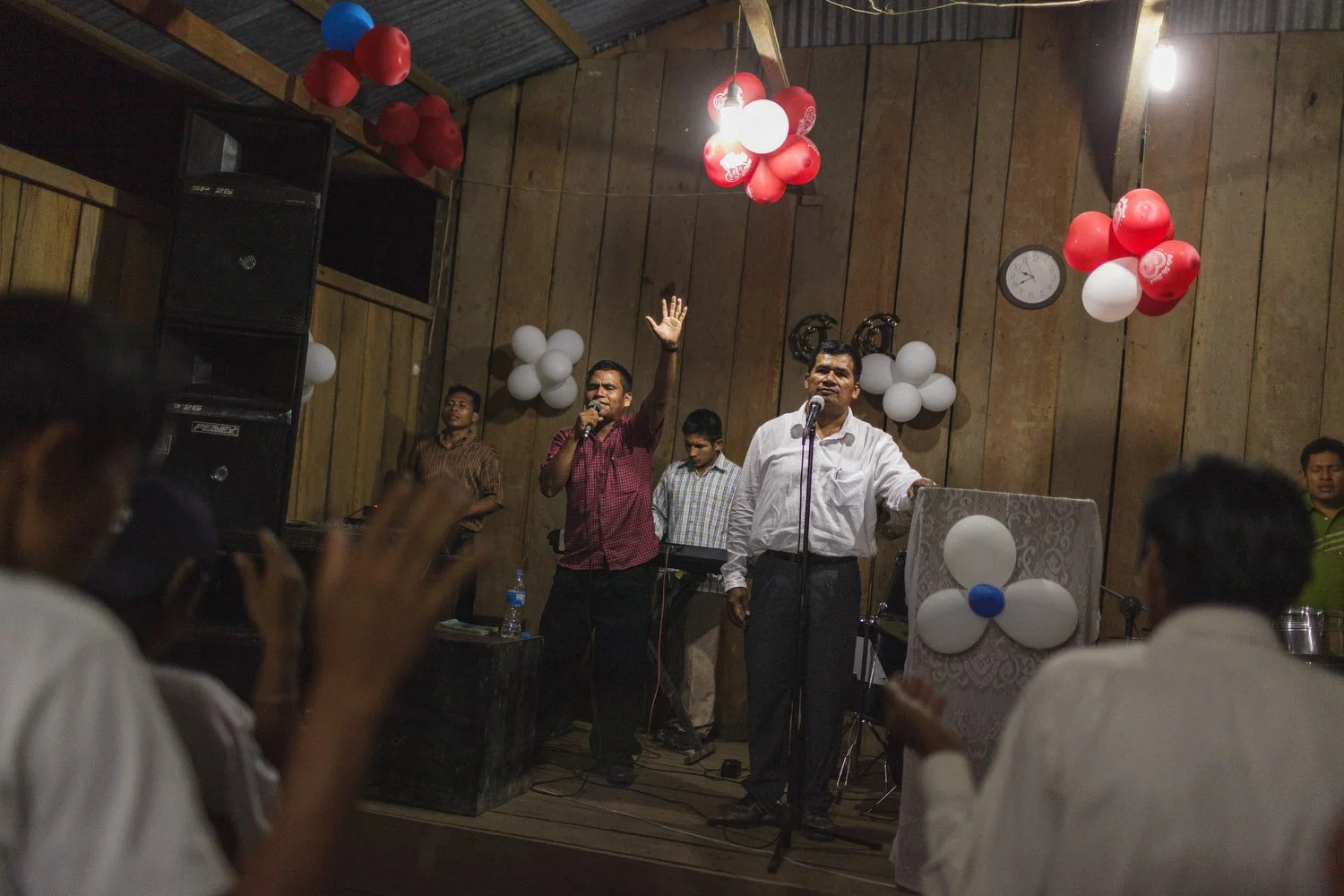
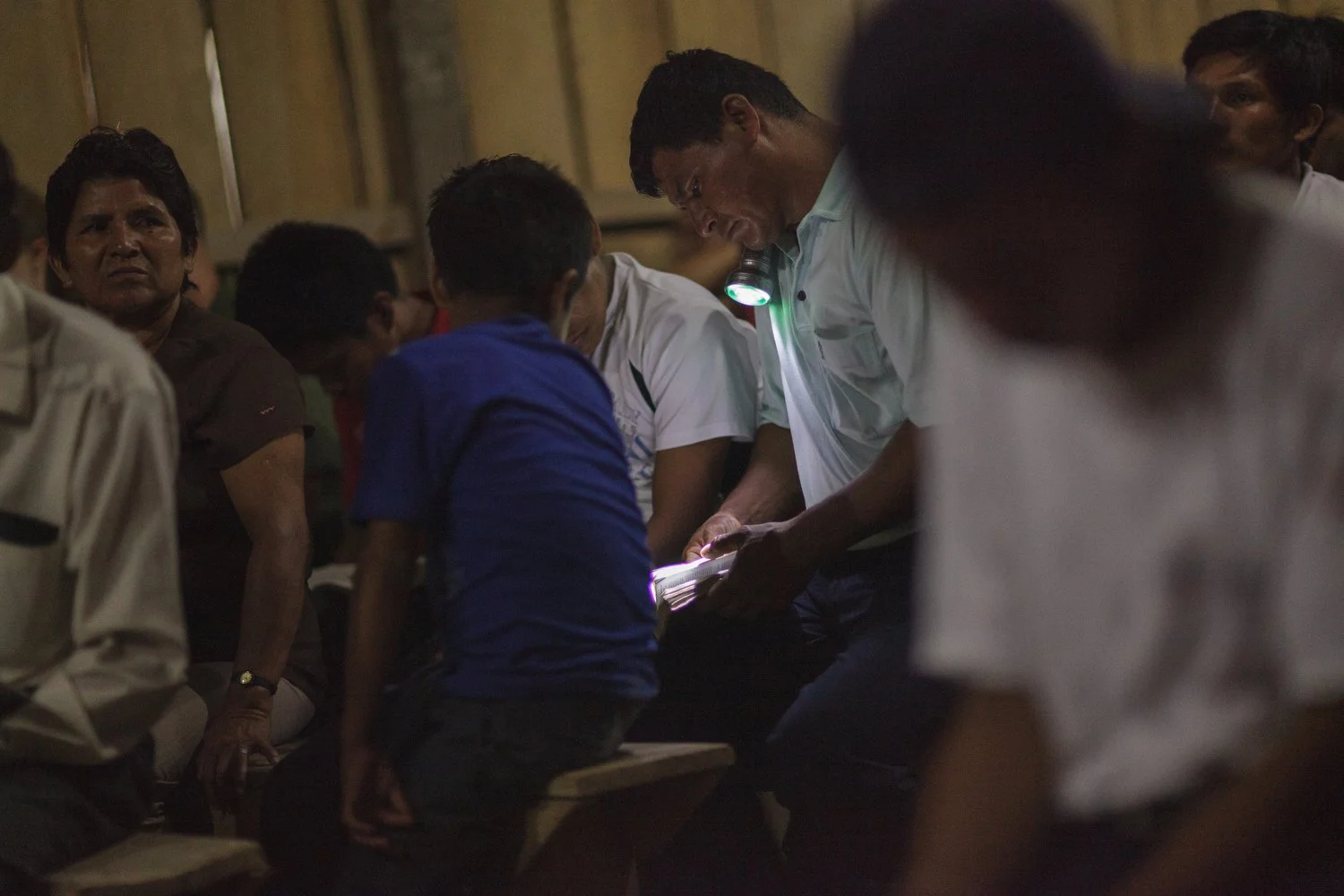
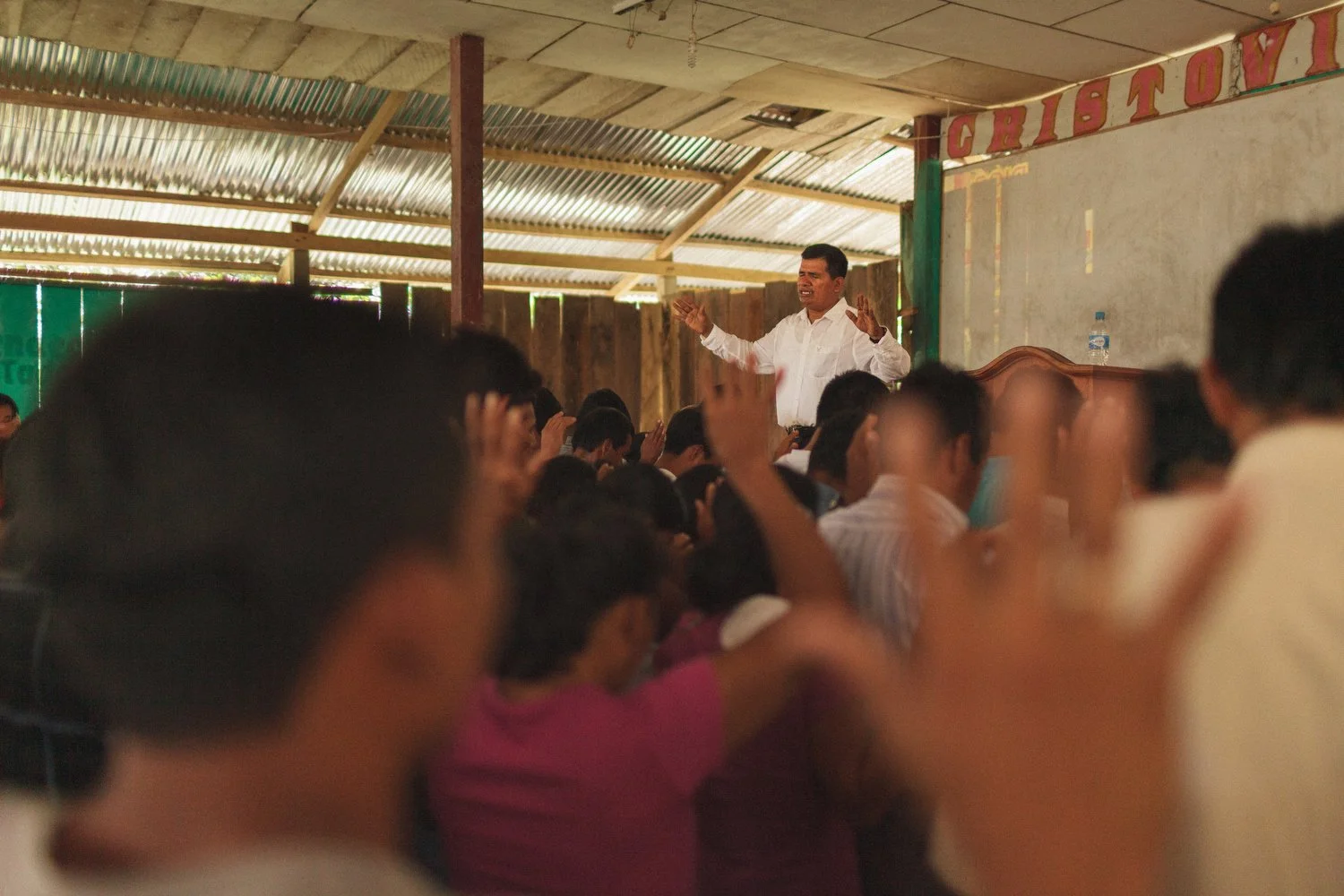
Outside the chapel, Pastor Jorge kept working. He visited families in their homes, listened to their worries, and prayed with them. He talked with fathers about caring for their children and listened to mothers share their challenges.
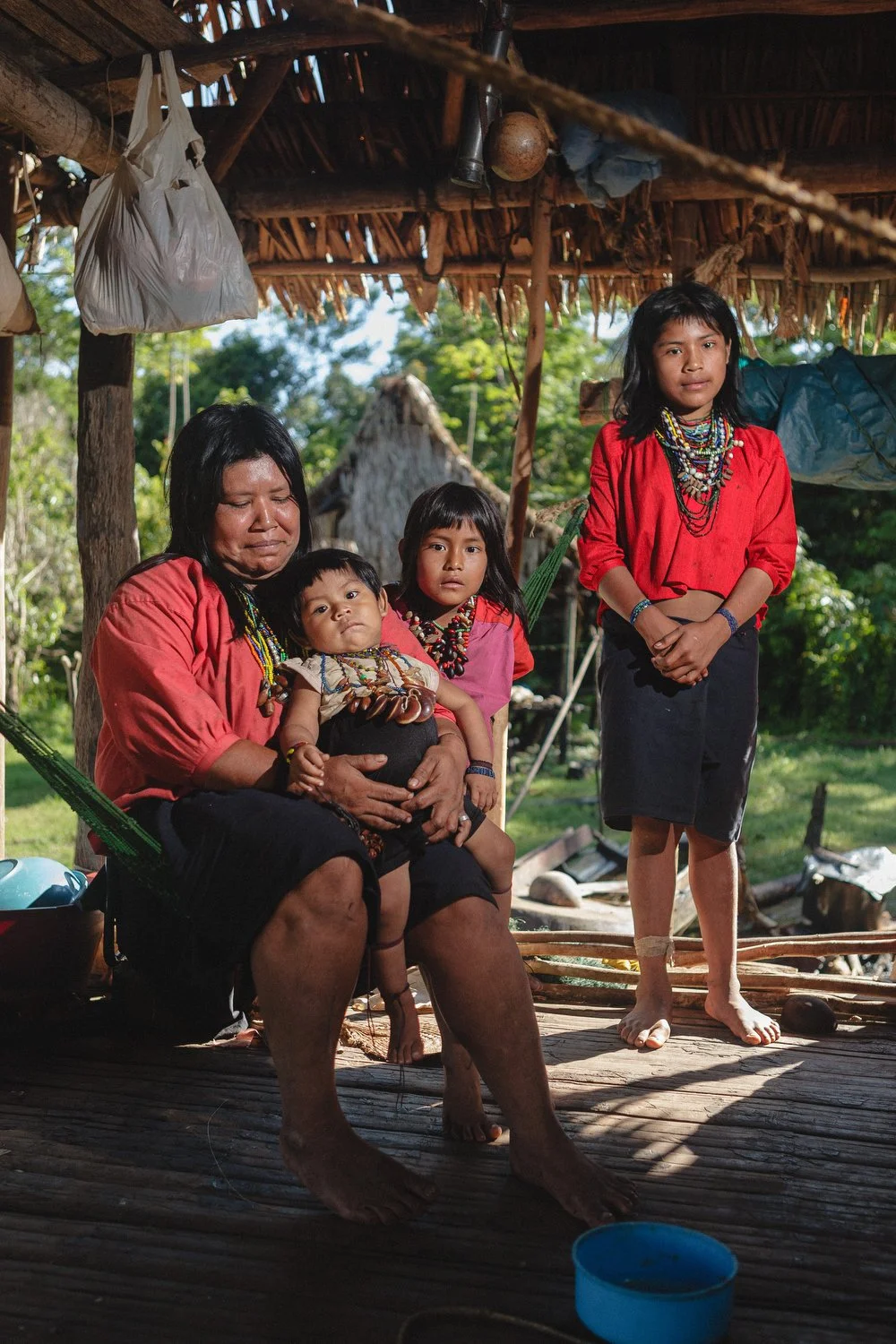
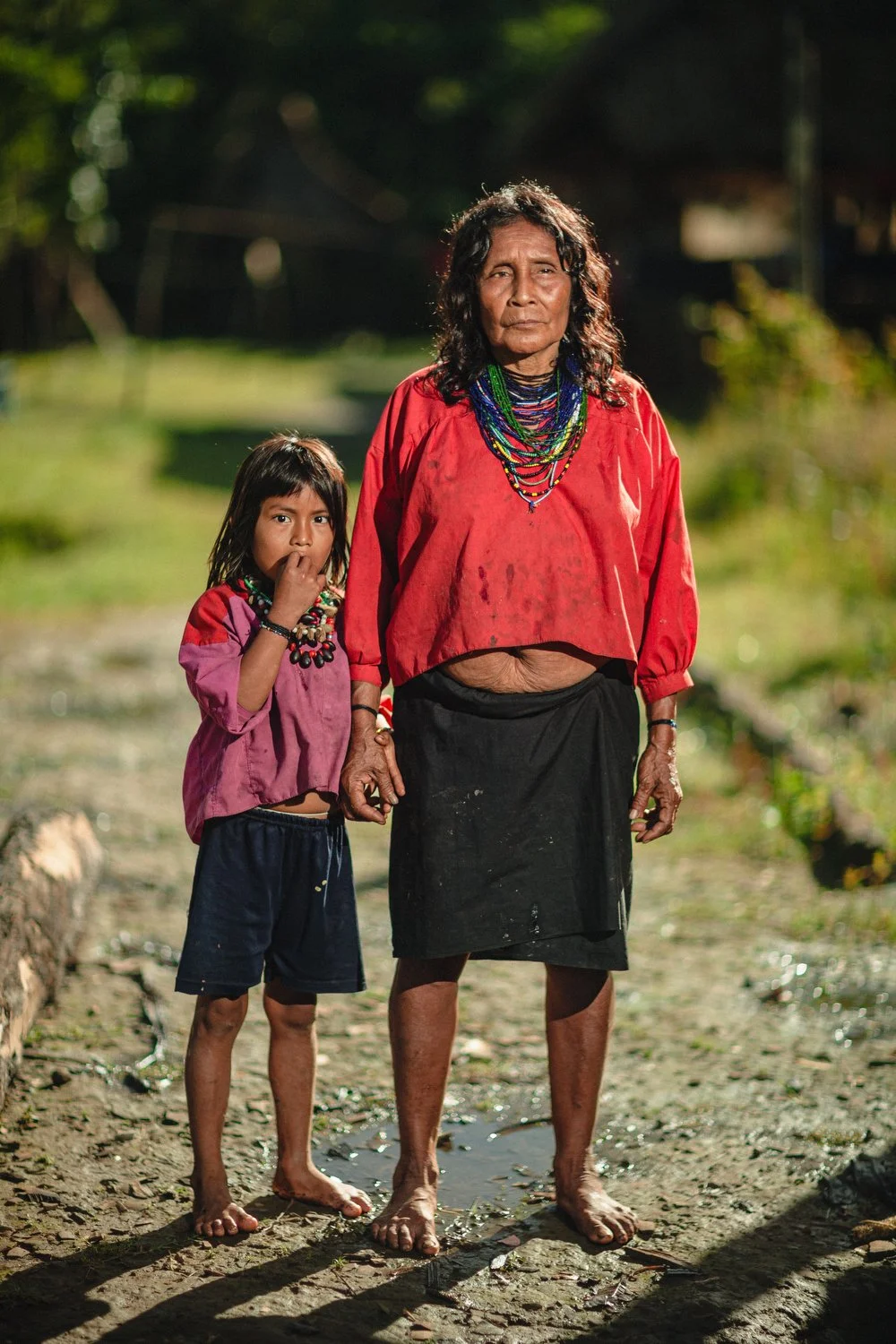
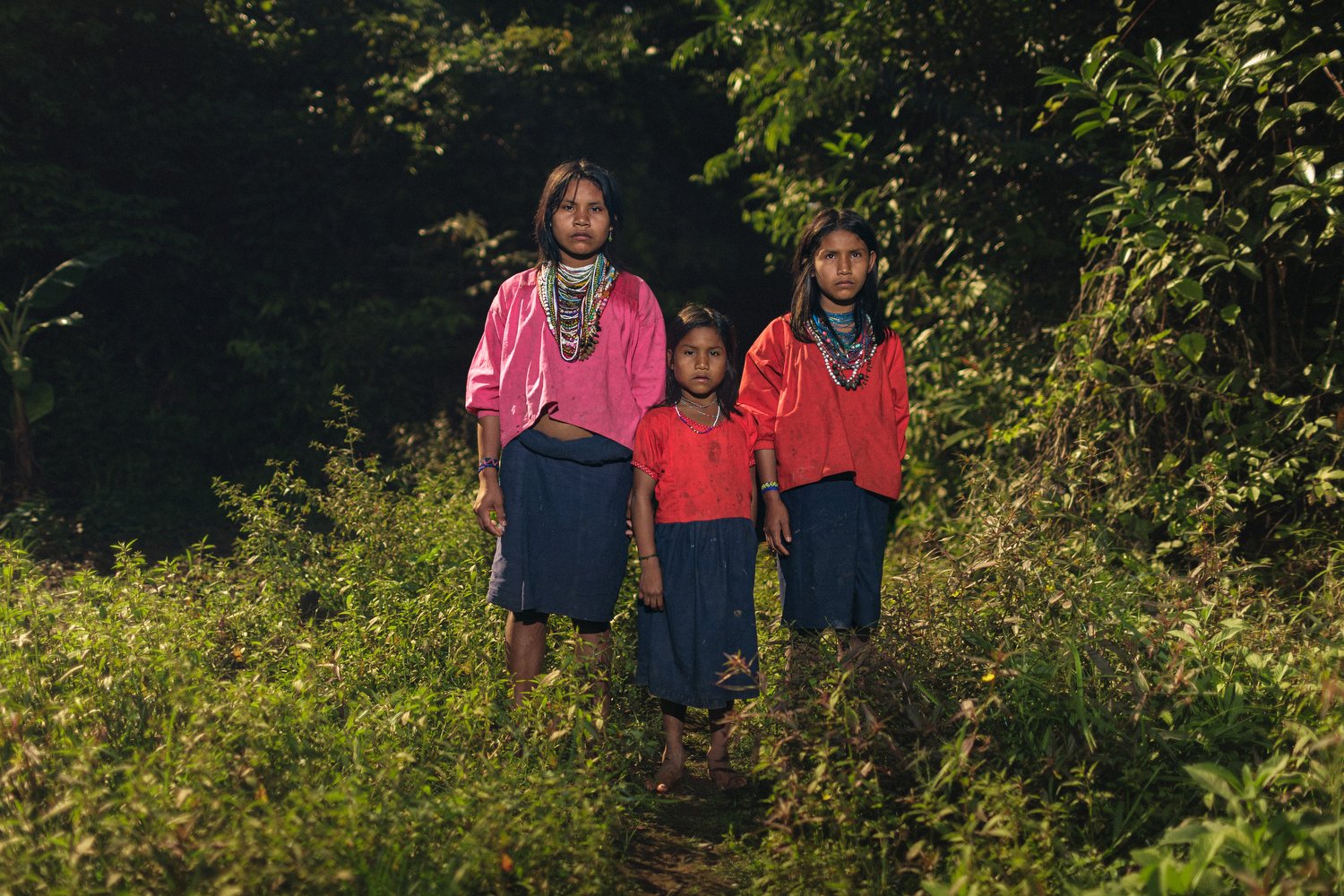
After a few days of traveling from village to village, we reached a small community with about ten women and one male leader. The women wore traditional red blouses and bead necklaces, with children by their sides. While I took photos, Pastor Jorge simply fed them, prayed for them, and asked how he could help. He didn’t come to change them. He came to walk alongside them.
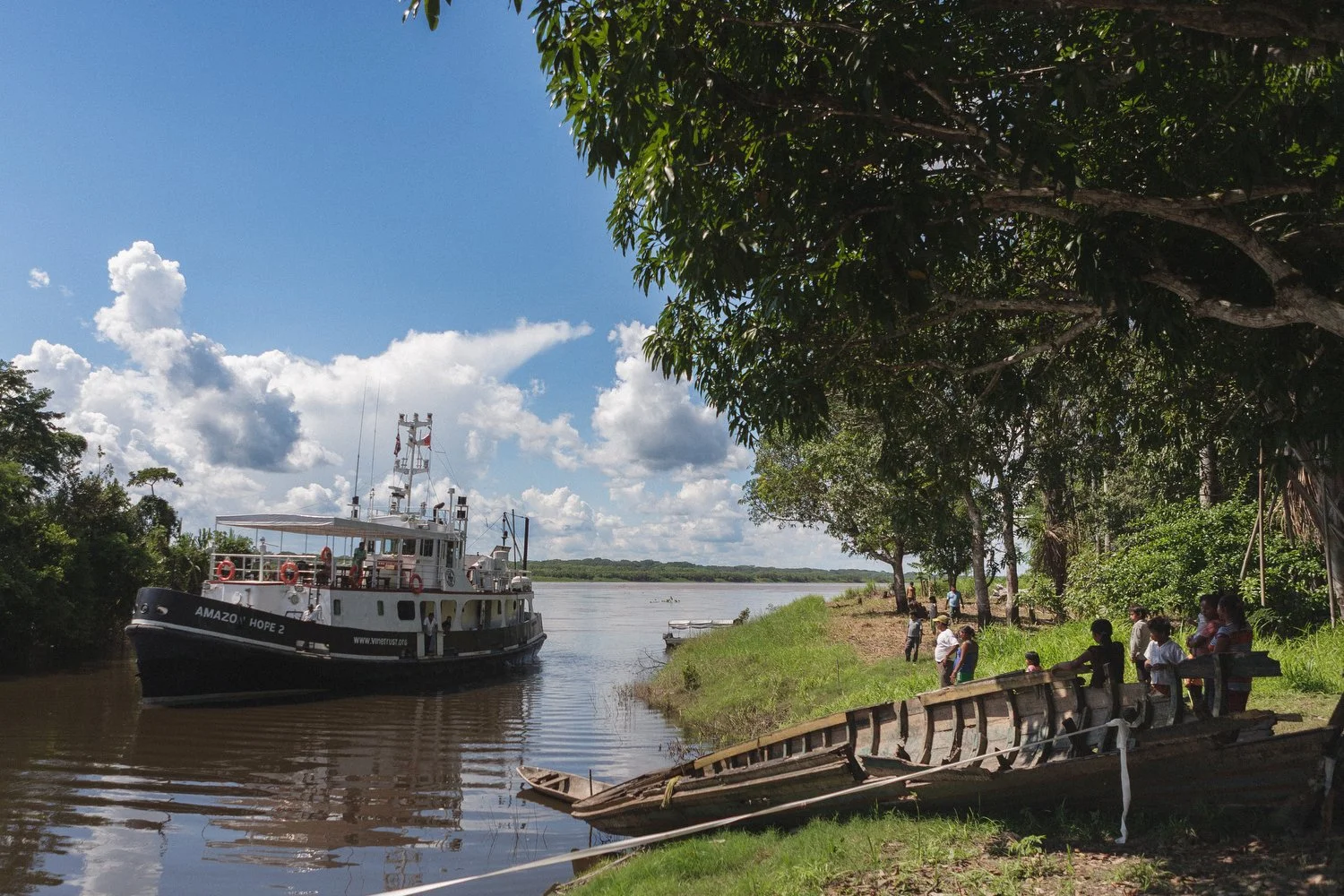
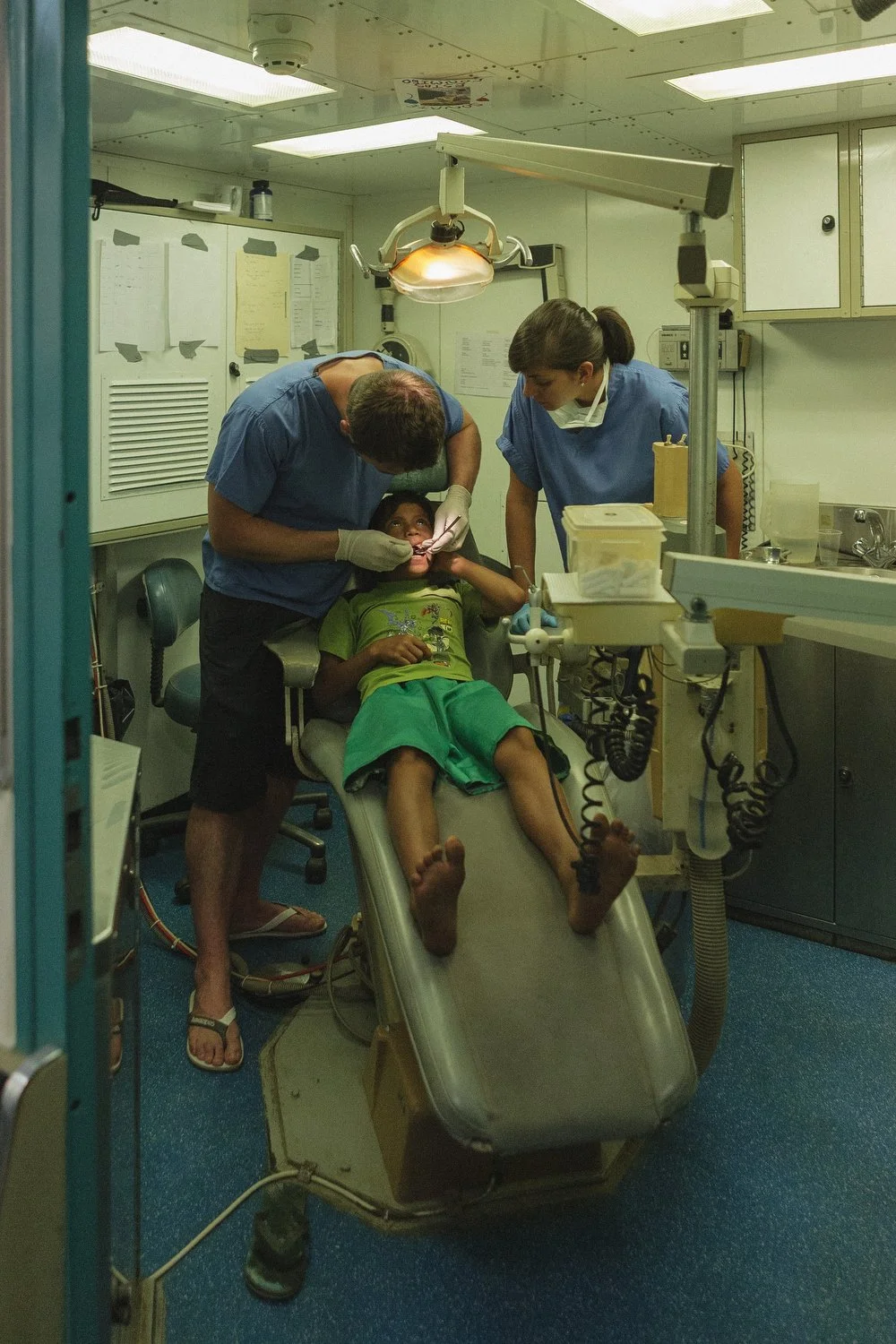
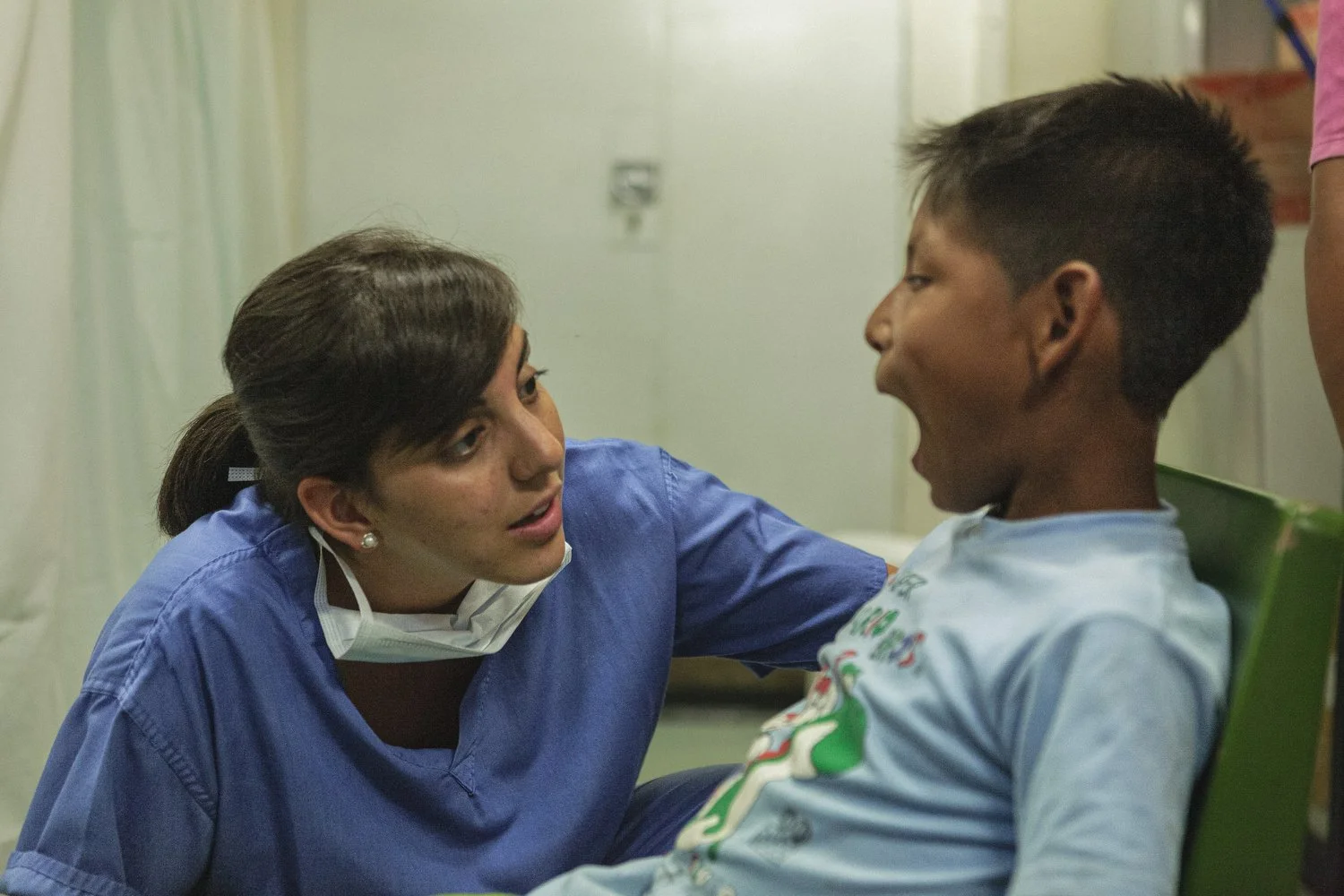
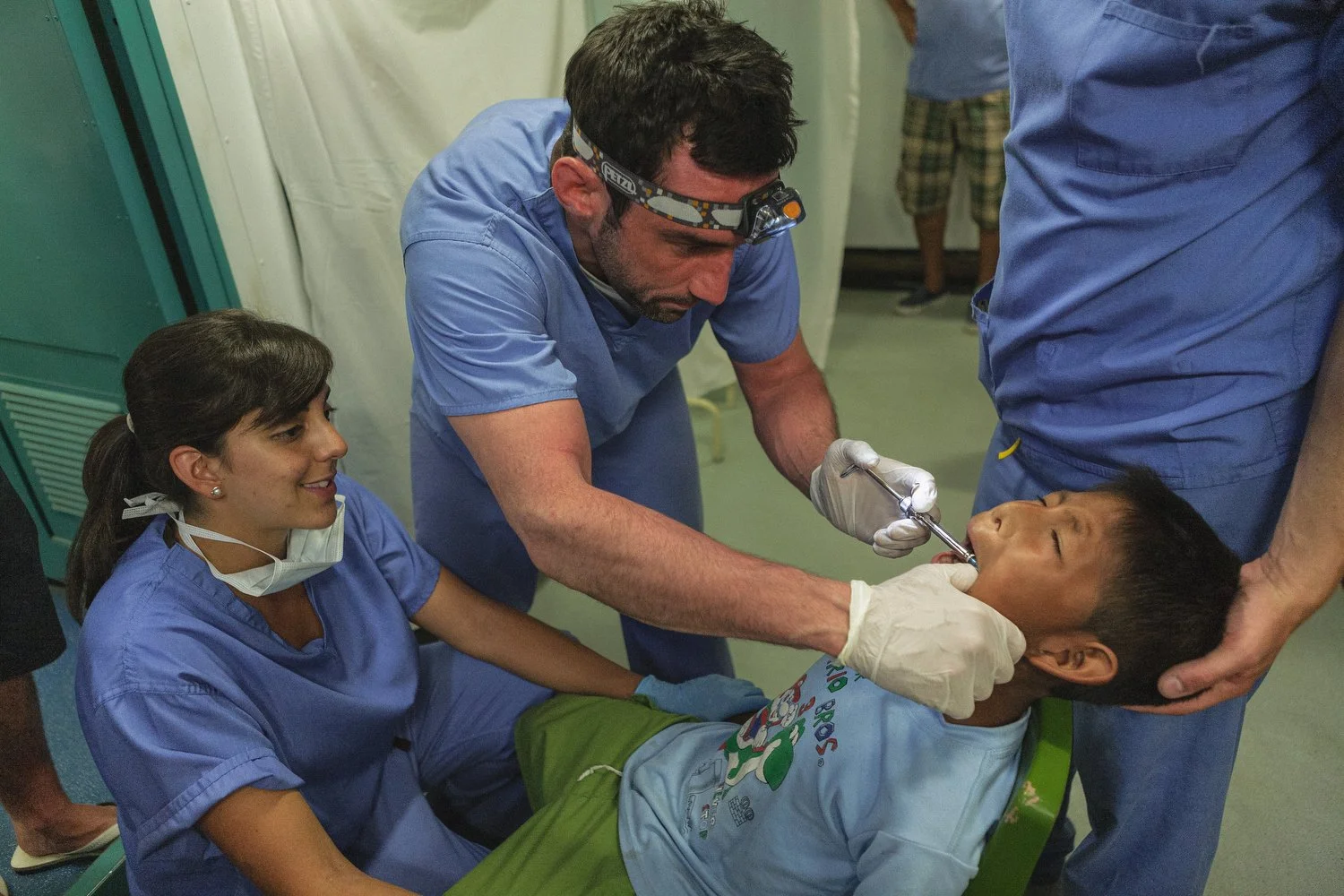
One morning, I noticed the Amazon Hope II ship anchored near the shore. This ship travels through the Amazon, providing basic medical and dental care. It brought a team of doctors and dentists, supplies, and care to families who had never been treated before. Pastor Jorge watched quietly, grateful to see others helping along the river. I took photos of a young boy sitting in a chair, his eyes squeezed shut as a dentist numbed his gums to pull a rotten tooth. I spoke briefly with a few doctors and asked, “Why do you do this? What do you get out of it?” They all said something similar—they simply felt called to help others. They wanted to use their skills to make a difference. This made me realize that anyone can play a part, whether by praying for these communities, supporting medical and missionary work, or volunteering time and skills if possible.
If you feel moved to get involved, you could join a local or national non-profit, go on a short-term mission trip, organize a fundraiser for supplies, or partner with groups that serve remote areas. Even from home, you can help collect needed items or invite others to learn more about the work along the Amazon. There are many ways to make a difference, and every effort, big or small, can help bring hope and support to these communities.
As I watched the river and thought about everything I had seen, I realized that God works through ordinary people and simple acts of faith. The strong community along the Amazon showed me that faith isn’t limited by place or situation. It grows in quiet acts of service and in the courage to help others.
My hope is to remember this lesson: that small, faithful steps can truly make a difference.
“He said to them, ‘Go into all the world and preach the gospel to all creation.’”
— Mark 16:15 (NIV)